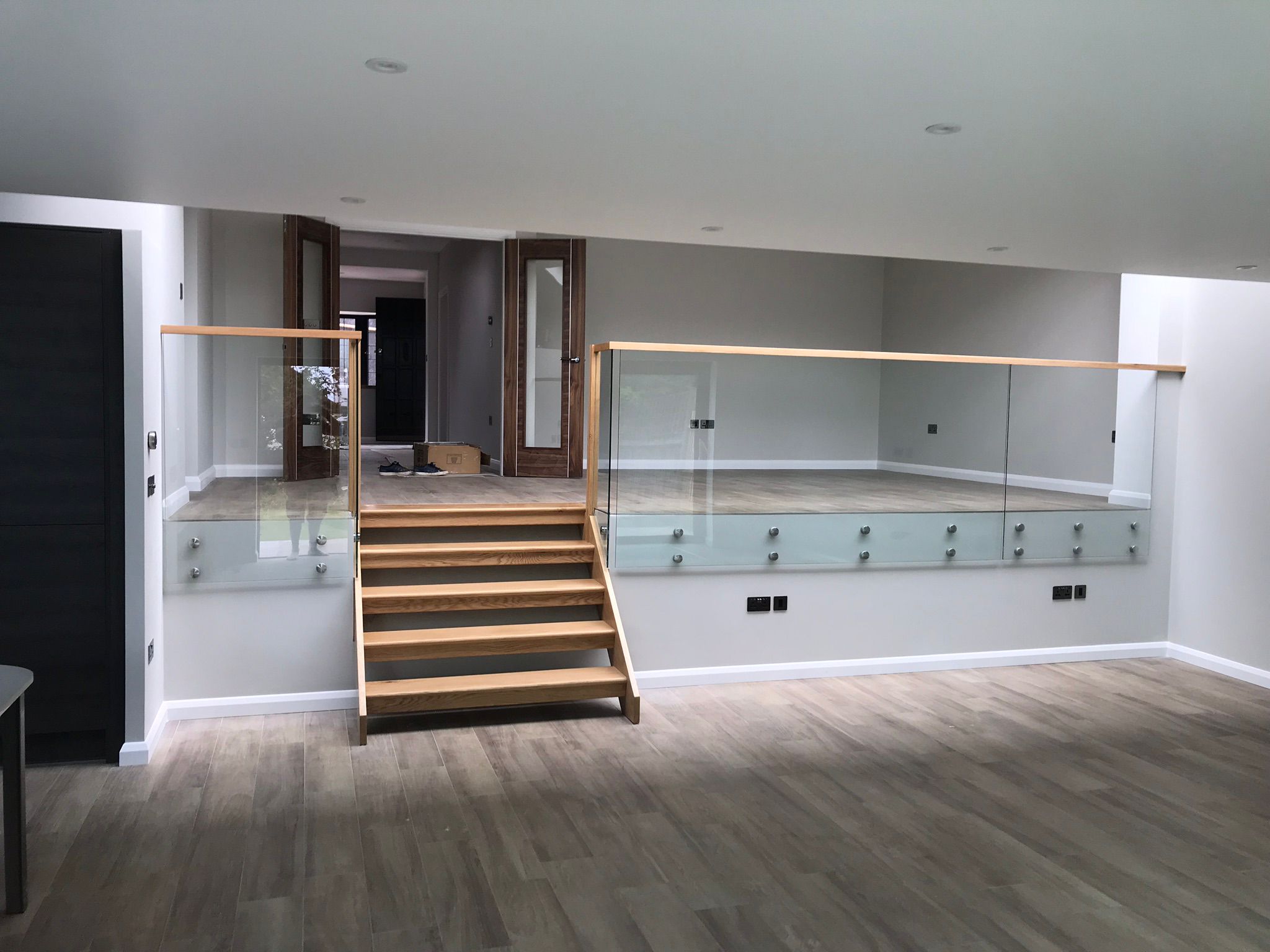
With a staircase revamp, you can make a striking change in both style and appeal. A well-designed staircase does more than connect floors—it boosts your property’s style from the moment you enter.
Modernising your staircase can solve safety concerns and bring a contemporary style to your entrance.
Things to Do Before Beginning Your Stair Renovation
Start by assessing your staircase to see how well it matches your home right now. Be sure to get approval from your planning authority if your property has listed status. For regular houses, assess the stairs for any issues. Reflect on what you’d like to achieve—can your existing stairs support the level of renovation you have in mind?
Think about your renovation goals and whether your stairway as it stands can meet your needs.
Ask yourself your staircase is strong enough for the changes you’re planning.
Be clear on what you want to do and whether your stairway are up to the task.
Does your staircase have the stability needed to support your renovation plans?
Before going ahead, consider whether your stairs can realistically take the updates.
Have a clear idea in mind and check if your staircase can accommodate the changes.
Plan your renovation with your staircase’s present structure in mind.
Will your existing staircase accommodate the design changes you’re planning?
Think through your design plans—can your current stairs cope with the makeover?
Vintage buildings with classic stairways can often be refreshed with DIY efforts, such as replacing treads or adding a new handrail system.
Heritage properties with wooden staircases can often be updated through DIY improvements like new treads or handrails.
You can give timber stairs in older properties a fresh look by replacing treads or installing a new railing.
Simple DIY upgrades like swapping out treads or fitting a new handrail can enhance period staircases.
Traditional wooden staircases often look better after basic improvements like renewing the treads or balustrade updates.
Many heritage steps can be enhanced with DIY projects, especially by updating the treads or balustrades.
Wooden staircases in heritage properties often benefit from basic improvements like replacing the treads.
Upgrading damaged stairs or fitting a stylish handrail can help revive an older staircase.
If you have a wooden staircase in an older home, some DIY work may be all it takes to bring it back to life.
Basic updates like replacing treads or fitting a balustrade can update or refresh a wooden staircase in a period property. For a full staircase renovation, it’s wise to speak with an expert early on, weighing up the financial and design aspects of starting from scratch versus refurbishing.
If you're planning a full staircase renovation, get expert advice early to compare starting fresh and refurbishment.
Major alterations to your staircase should include guidance from a specialist to understand budget and results.
When considering a total makeover, a specialist can help you choose whether to replace completely or upgrade.
Before you begin a major renovation, get a pro's opinion on whether to tear down and replace or improve what's there.
A total stairway update should benefit from professional check here insight to weigh the pros and cons of each approach.
Talking to a staircase professional early can help you decide between starting over or refurbishing.
If a major update is on the table, consider the cost and design outcomes with help from a professional.
For significant upgrades, it’s wise to get advice from someone experienced in both refurbishing and rebuilding.
Plan carefully for a total overhaul by consulting a specialist and comparing all options.
Understanding Regulatory Requirements for Staircases
Even if you're just replacing parts, it's important to verify whether any rules apply. In many older properties, like-for-like replacements often don’t require full compliance with modern building standards.
However, if altering the core structure of the staircase, you must follow Part K of the Building Regulations, which covers:
If you’re changing the structure of your stairs, you’ll need to comply with Part K of the Building Regulations.
Making significant adjustments to your staircase design means you must comply with Part K of the building rules.
Altering the staircase’s form or alignment requires you to meet the standards set in Part K of the regulations.
If your renovation includes major alterations, you’re legally required to follow Part K standards.
Redesigning the shape or format of your staircase means it must meet the standards of the rules in Part K.
Part K of the Building Regulations applies when you make any significant changes to your staircase design.
Changing the overall design of your stairs will mean adhering to strict rules under Part K.
Major alterations to your staircase will need to meet the building rules set out in Part K.
You must adhere to Part K standards if you’re changing how your staircase is structured or designed.
If your project involves modifying the staircase structure of your stairs, Part K regulations will come into effect.
- Make sure your stair treads are no less than 220mm as per building codes.
- Risers that go over 220mm are not permitted under stair design rules.
- Tread edges , or nosings can only project up to 25mm, and steps should lie flat.
- Minimum head height is 2m above stairs unless it’s a loft, where 1.8m is acceptable.
- Treads must overlap on open stairs, and the gaps should be small enough to block a ten-centimetre object.
Confirm with your planning authority or a professional builder, since rules can differ depending on location.
Giving Your Current Set of Stairs a New Lease of Life
Older staircases often have issues like creaky steps and wobbly rails. Securing a unsteady balustrade might involve adhesive, fixings, or installing another support beam. Loose joints and ageing wood are common reasons for creaks, and in some cases, complete refurbishment might be necessary. As long as the main structure is stable, thick newel posts on traditional stairs can be resized for a more open feel.
Changing the Aesthetic of Your Stairway
You can give your staircase a fresh look using repainting, modern carpeting, or replacing treads and railings. Under the carpet, you might discover wooden boards that can be refinished and kept.
Planning to sand stair surfaces? Check for lead first and use protective equipment if needed. If your stair treads are hidden, look underneath to check their condition. Decorative trims may need restoration, and bare wooden parts can be stained with skilled assistance.
Has Your Staircase Reached the End of the Road?
Constant repairs can add up—sometimes a full staircase replacement saves money in the long run. You can often swap out your stairs in a day—unless you’re changing its layout or location. An engineer can assess whether your new staircase will be securely installed.
What Type of Staircase Suits Your Needs?
You can choose from various styles like floating, cantilevered, freestanding, or spiral stairs. The right design depends on who’s using the stairs—families may want a more secure layout. Get a professional assessment to ensure the staircase design works perfectly with your space. Moving or redesigning your staircase can impact surrounding areas, so a specialist can advise on optimal placement for flow and functionality.
Breaking Down the Cost of Stair Upgrades
Make sure you compare prices from different contractors and request full pricing details. Before choosing DIY, calculate the full picture—what you need to purchase and what you’ll need to dispose of.
Visually Refreshing Your Stair Rail
Narrow staircases (under 1 metre) only need a handrail on one side, but larger stairs require handrails on both. Modern balustrades are typically made from metal, wood, or toughened glass.
A glass balustrade can boost style and brightness, though installation costs depend on the way it’s installed.
Ensuring Your Stairs Match Your Interior Decor
A staircase can be neutral or eye-catching—make sure it fits the vibe of your home. Powder-coated stair frames match industrial elements like steel glazing, while limed oak rails complement subtle grey tones.
Using the same wood tone across railings and trim can create flow, and subtle spindle choices enhance the aesthetic.
Innovative Ways to Use the Space Beneath Your Stairs
- Fit a compact toilet under your stairs to improve everyday use—check with a plumber about what’s possible.
- Add drawers and rails under the stairs for a neat and discreet option.
- A wine display with built-in lighting under the stairs adds a touch of class.
- Design a Home Office – Install a tailored workspace setup, with sliding doors for concealment.
Transform the space into a compact work area with smart shelving and desk integration.
Use the area for a compact office setup—add built-in storage and concealment to keep it neat.
A compact workspace and storage combo under the stairs makes a great tucked-away workspace.
Fit a bespoke home office under the stairs, complete with sliding doors for a tidy finish.
Create a low-profile office area by installing a fitted workspace with concealed doors.
Add a bespoke desk and organiser combo to make a clever under-stair work area.
Design a compact home office nook with bespoke joinery and hide it with sliding doors.
A fitted desk and storage area under the stairs is perfect for getting things done in a small space.
Use bespoke joinery to build an office nook under the stairs with hidden storage.
Turn an empty under-stair area into a compact desk space with built-in storage and desk. - Use the area creatively as part of your kitchen plan—ideal for extra storage or built-in features.
Smart Lighting Ideas for Your Staircase
Lighting helps you see clearly while making your stairs look better. Choose from the following options:
- Lighting within the steps offers a contemporary look and better safety at night.
- Lighting the wall at foot level is a great way to highlight the staircase path.
- Ceiling-mounted lighting.
Low-glare fixtures keep things practical and visually pleasing.
Finale:
A clever renovation can boost both your home's appearance and daily functionality. Whether it’s a big project or a quick update, choosing the most suitable path keeps your staircase stylish and functional.